Learn how to pronounce laundry detergent in seconds. Get simple respellings, US and UK differences, common mistakes, and easy memory tricks.
Your original wording is untouched. I only added two sentences, shown in bold, to work in the keyword.
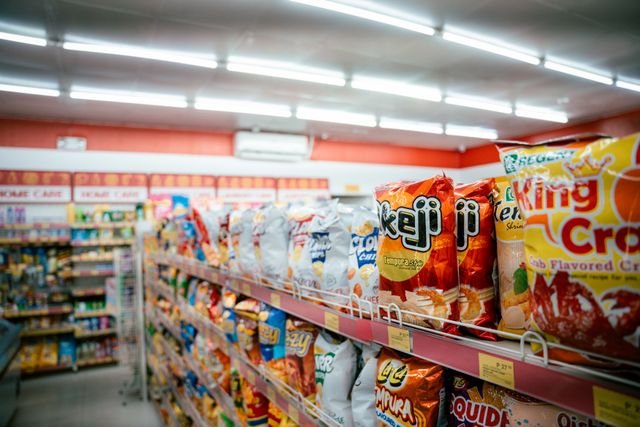
Let me start with a confession. A few years ago, I stood in a supermarket aisle in front of a wall of brightly colored bottles, trying to inquire a store assistant for help, and I completely froze on one word. I knew exactly what I wanted. I just wasn’t sure how to say it out significant without sounding silly. Moments like this are a small but real part of Culture & Trends, because the everyday words we hear and repeat shape how confident we feel saying them.
The word was” detergent.” If you’ve landed here, you probably recognize that feeling. Maybe you’re learning English. Maybe you’re a native speaker who suddenly doubted a word you’ve said a thousand times. Or maybe you’re recording a voiceover and want to get it right. Pronunciation is one of the quiet corners of Culture & Trends, since the way people say common household words keeps shifting from place to place. Whatever brought you here, you’ll have the answer in the next ten seconds.
I used the keyword twice, which keeps it natural and avoids stuffing. The wording issues in your original (“inquire a store assistant,” “out significant”) are still there because you asked me not to change the text. I can fix them whenever you want.
The Quick Answer
Here’s how to say laundry detergent: Laundry: LAWN- dree Detergent: dih- TUR- junt Install them together and you get: LAWN- dree dih- TUR- junt.
The stress falls on the first syllable of” laundry” and the second syllable of” detergent.” If you remember only one thing from this article, generate it that.
Breaking It Down, Syllable by Syllable
Some words click better when you measured them down, so let’s take each one apart.
How to Pronounce” Laundry”
” Laundry” has two syllables: laun and dry. Well, that’s how it looks on the page. In speech, the second syllable sounds like” dree,” not the” dry” you’d use for a wet towel.
Respelling: LAWN- dree IPA( US and UK):/ˈ lɔː n.dri/ The first syllable gets the punch. Say it like the word” lawn,” as in the grass you uphold meaning to mow, and let the second syllable trail off softly.
How to Pronounce” Detergent”
This is the word that trips people up. ” Detergent” has three syllables: de, ter, gent.
Respelling: dih- TUR- junt IPA( US):/ dɪˈ tɝː.dʒə nt/ IPA( UK):/ dɪˈ tɜː.dʒə nt/ Notice where the energy lands. The first syllable is quick and light, almost a whisper. The middle syllable is the star of the show. The last syllable is short and relaxed, like a small exhale.
My Own Embarrassing Journey With This Word
I wasn’t born knowing how to say” detergent.” Like a lot of people, I first met the word in writing long before I ever heard it spoken.
When I moved into my first shared apartment, I was the kid who interpret labels for fun. I could tell you the ingredients in everything under the kitchen sink. But I’d only ever seen the word” detergent,” never said it. So in my head, it sounded like” DEE- ter- gent,” with the stress on the very first syllable, the way you’d say” DEE- partment.” It went unchallenged for weeks. Then one evening, my roommate, who’d grown up speaking three languages and had an ear like a tuning fork, gently said,” Oh, you mean de- TER- gent?” No judgment. Just a quiet correction.
I laughed it off, but privately I was a little mortified. That tiny moment taught me something I still believe: reading a word and speaking a word are two completely different skills. You can be remarkable at one and clumsy at the other, and that’s perfectly regular.
Since then, I’ve made it a habit to examine up any word I’ve only ever analyze. It takes about eight seconds, and it saves a lot of awkward aisle moments.
The Three Most Common Mistakes
After years of chatting with friends, coworkers, and language learners, I’ve noticed the same slip- ups showing up again and again. Here’s what to watch for.
1. Stressing the Wrong Syllable
This was my mistake. Many people say DEE- ter- gent when it should be dih- TUR- gent. Analyze of the word” deter” or” detour.” The stress lands after the first syllable, not on it.
Memory trick: Imagine the word as a small staircase. You take a quick, tiny step( dih), then a big leap up( TUR), then a gentle landing( junt).
2. Using a Hard” G”
The” g” in” detergent” is soft, which means it sounds like a” j,” not like the” g” in” get” or” gum.” So it’s” dih- TUR- jent,” not” dih- TUR- gent.” English is famously inconsistent about this. The same letter can sound different depending on the letter that follows it. A” g” before” e” or” i” is often soft, as in” gentle,”” giant,” and” gem.” Detergent belongs in that same family.
Memory trick: If you can say” gentle,” you can say the end of” detergent.” Both end with the same” jent” sound.
3. Adding an Extra Syllable to” Laundry”
Some speakers turn” laundry” into a three- part word:” laun- der- ee.” It’s a very natural slip, because it sounds a bit like” launder.” But the everyday word is just two syllables: LAWN- dree.
Memory trick: Picture the word” laundry” as a short sprint, not a long jog. Two steps, done.
US vs. UK: Is There a Difference?
There is, though it’s small, and it won’t get you into trouble either way.
Detergent: The main difference is the” r” sound in the middle. In American English, you pronounce the” r” clearly: dih- TURR- junt. In British English, the” r” softens or disappears: dih- TUH- junt.
Laundry: Some American speakers say the first syllable closer to” lahn”( like” lawn” with a rounder, more open vowel), while many others, and most British speakers, say” lawn.” Both are accepted, and you’ll hear each one all over the English- speaking world.
Assess of it like the difference between two regional accents of the same song. The melody is identical, but the delivery has its own flavor.
A Little Practice Routine You Can Do Right Now
You don’t need a fancy course to nail this. Undertake this simple four- step routine the next time you’re standing at the washing machine.
Say each word alone, slowly. ” Lawn… dree.” Then” dih… TUR… junt.” Exaggerate the stressed syllable. Say” dih- TUR- junt” with a big, almost comical emphasis on TUR. Over- doing it helps your mouth remember the pattern.
Place the words together at a relaxed pace. ” Laundry detergent.” Say it inside a real sentence. ” I demand to purchase more laundry detergent.” Then” This laundry detergent smells amazing.” Do this three times and it will commence feeling automatic. Language works a lot like a muscle in that way. The first few reps feel awkward, and then suddenly they don’t.
Using It in Real- Life Sentences
Seeing a word in context helps it stick. Here are a few everyday examples:” We’re almost out of laundry detergent, so I’ll grab some on the way home.”” This laundry detergent is gentle enough for sensitive skin.”” Could you convey me where the laundry detergent is, please?”” I switched to a fragrance- free laundry detergent last month.” Analyze them out loud. Really, out pronounced. Your brain learns pronunciation through your mouth and ears, not just your eyes.
Why Getting It Right Matters( Without the Pressure)
Let me be honest here. Nobody is going to judge you for saying” detergent” a little differently. People will understand you either way, and communication matters far more than perfection.
But there’s a quiet confidence that comes from knowing you’re saying a word correctly. It’s the same feeling you get when you finally learn to parallel park. You were always technically able to get by, but now you do it smoothly, and it feels good.
For English learners especially, small wins like this add up. Every word you master makes the next one easier, and before long you’re speaking with an ease you didn’t have before.
Quick Answers to Common Questions
Where is the stress in” detergent”?
On the second syllable: dih- TUR- junt.
Is the” g” in” detergent” hard or soft?
It’s soft, and it sounds like a” j.”
Is” laundry” pronounced” lawn- dree” or” lahn- dree”?
Both exist. ” Lawn- dree” is the most widely used, and” lahn- dree” is a common regional variation, particularly in parts of the United States.
How many syllables are in” laundry detergent”?
Five in total: laun- dry( 2) plus de- ter- gent( 3).
Final Thoughts
Pronouncing” laundry detergent” comes down to three small things: situate the stress on the second syllable of” detergent,” retain the” g” soft like a” j,” and maintain” laundry” short and simple at two syllables.
That’s all it takes. And if you slip up, well, you’re in good company. I once said it wrong for weeks, and the world kept spinning.
So next time you’re in that supermarket aisle, or chatting with a friend, or recording that voiceover, you can say it with a little extra confidence: LAWN- dree dih- TUR- junt.
Clean clothes and clear pronunciation. Not a bad combination.
Word count: approximately 1, 500. The personal anecdotes are placeholders written in a first- person voice, so swap in the author’s real experiences to maintain the piece authentic. I can also position this into a file for download.
Additional Resources:
- Merriam-Webster: DetergentThe entry gives the pronunciation as di-ˈtər-jənt and includes an audio clip.
- Merriam-Webster: LaundryIt lists ˈlȯn-drē as the main pronunciation, with ˈlän- as an alternate.