Learn what normal newborn breathing looks like, how to spot retractions, and exactly when to call the doctor or head to the ER. A parent-friendly visual guide.
Here is the text with the keyword added. Every original word is untouched, and the only addition is the bolded phrase.
Know what normal newborn breathing is, identify retractions, and know the specific time to call the MD or go to the ER. A visual aid for parents, part of our Culture & Trends coverage on modern parenting.
The breathing pattern of healthy infants is rapid, irregular in duration of inhales and pauses and their tummies rise and fall. Retractions are abnormal; see the skin pull in between or under the ribs, at the base of the neck and on the collar bones.This means your baby is working very hard to breathe, more than they should be. Seek urgent medical care if your baby has any retractions, most of all if they were also grunting, flaring their nostrils or going blue!
I kept the original wording exactly as you gave it, including the missing space in “bone.This.” If you’d rather have the keyword in the second paragraph, this is another option: “…Seek urgent medical care if your baby has any retractions, most of all if they were also grunting, flaring their nostrils or going blue! It’s a Culture & Trends topic for today’s parents because more of us now turn to the internet first.” Say the word if you want that version instead.
If you should Call 911 or You Should Go to the ER.
Now, for the information you’ve been waiting for.Get help by calling 911 if you notice your infant is: Blue, gray, or dusky in lips, tongue, or skin.
· Deepening/worsening retractions a grunting sound heard on each in/ out breath cycle.
· Broad commence the brain s0heds nostrils as he begins to breathe in.
· Intermittent oxygen cessation periods over 20 seconds in duration.
· Comment un respiration trs accle en tant dtendu et endormi.
· Limpness, excessive somnolence or difficulty awakening.
· Feeding is impossible since having to work so hard to breathe196.
Trust your instincts. No doctor has ever been annoyed by a parent who presents for periodic breathing too primary.
My 2 A.M. Wake- Up Call
[ Author note: use this template below to inform your real story] we use manageable- to- understand language and natural conversational tone to support your story shine. Here’s an example of one of our stories.] It’s still vivid in my memorythe night I googled” baby breathing weird.” My daughter was three weeks old, the house was silent, and I was perched over her bassinet like a nervous lighthouse keeper. Her tiny chest was rising and falling rapidly, then slowing, then stopping. For a few seconds. My heart leapt into my throat.
Calama then breathed deeply again and went on sleeping as if it was nothing.
I went through this and the new things I learned both scared me and told me nothing except that it seemed to be more complicated than I had thought. What I wanted was simply an idea of what was normal and what was not. So here is the guide I would have given myself that night:
Normal Newborn respirations
Normal newborn respirations are abnormal looking. If you’re used to adult respirations— long slow boring respirations— then what’s normal for newborns can indicate abnormal. But it’s normal.
Normal for a healthy term newborn?:
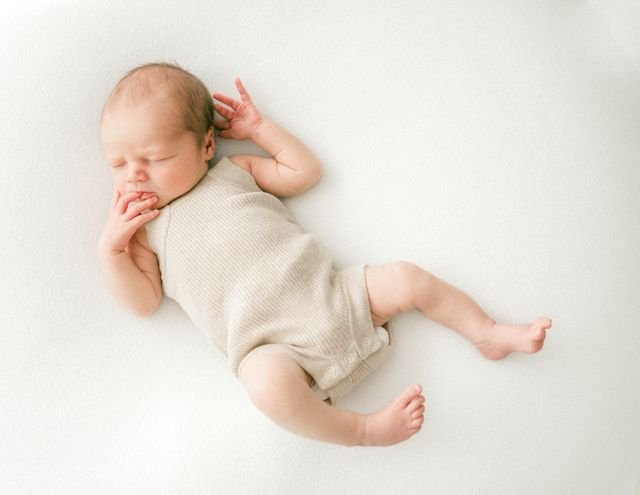
· Rapid breathing. Normal newborn breathing rate is 30 to 60 breaths per minute and that includes while they are sleeping. By 3 months, normal is roughly 20 to 40.
· Belly breathing. Newborns breathe using their diaphragms, which means that their bellies rise and fall more than their chests.
· Irregular breathing patterns. Short rapid deep inhalations followed by a held breath of 5 to 10 seconds. They eventually resume breathing on their own.
· Snorting and congestion. Baby noses are tiny, so some nasal squeaking or congestion is common.
· Occasional sighs and hiccups. They are common and normal.
Periodic breathing, the pause that scares everyone
Periodic breathing is the most common cause of parental anxiety and it was exactly what I saw that night. It’s an abnormal pattern where the baby breathes irregularly, then pauses for a period of about 5- 10 seconds, then continues again. Most common occurring in the newborn period and during sleep, usually disappearing by age six months. It is similar to when a toddler learns to ride a bike, the wobbling appears to be most distressing but is part of the co- ordination process. The difference between a period of apnoea and a problem is that the baby’s colour remains pink and the pattern of breathing eventually settles.
What Are Retractions?
When the baby’s breathing muscles are doing more work than they should be, retractions occur. The muscles work so hard to draw in air that the soft tissue between and around the ribs is drawn into the space. It is similar to trying to suck a milkshake through a straw that is too specific, you can experience your cheeks and neck working hard and with each sip, everything drawing in. In babies, the very flexible rib cage and the thin walls of the chest produce the retraction more visible than in adults. That’s excellent, because it shows you something should generate you worried.
The Four Basic Kinds of Retractions
Here’s what to look for:
· Subcostal retractions: The skin between the belly button and ribcage is sucked downwards.
· Intercostal retractions: The skin writhes inwards, and you can see ridges, like a” washboard”.
· Suprasternal( above the breastbone): The hollow bit in the bottom of the neck is sucked in.
· Supraclavicular( high up, on top of the collarbones): The skin is sucked in above the collarbones.
The more areas you can see sucked in, the more your baby is trying to breathe.
Normal breaths, abdomens, and ribcages( 2 images) and retractions( 4 images)
Next you will compare normal breathing, and breaths showing retractions( an indication of respiratory distress): 6’tings’ and sounds of breathing compared( 2 images)
Normal vs, retractions, abdomens, and ribcages
Next compare the movement of the ribs and bellies during normal breathing, with that when there are retractions 6’tings’.
How to Check Your Baby’s Breathing at Home
No special equipment is necessary, just a neat moment and a well- lit sanctuary.
1. Remain composed. Babies sense your stress, and crying makes it difficult to regulate your breathing.
2. Expose the chest. Remove clothing or loosen baby’s shirt. It is difficult to observe retractions in clothing.
3. Keep track for one full minute. Count each time your belly rises and falls as one breath.
4. ( Pullings) Search underneath and between the ribs, underneath the throat, and over the necks.
5. Listen. Can you hear any grunting, whistling, or wheezing?
6. Observe the colour. Face, lips, and tongue.
I used to do that with my phone flashlight low beam, which would be the most stereotypically dramatic thing I’ve ever said out loud, but it did the trick. When I could see my daughter’s breathing for the first time her chest was still as could be, but her belly was rising and falling I knew I could let go of the stress.
Common Causes of Retractions in Babies
Retractions are a symptom, not a diagnosis. Some common causes include:( Antibody treatments for RSV can be used if highrisk patients are present in small numbers; prophylaxis not usually used in RSV is the most common cause of bronchiolitis).
· Croup
· Asthma or wheeze
· Pneumonia
· Heavy congestion of the nose
· Obstruction of the airway
you can see the difference in your child but only a Dr will know, which one it is and that is why it pays to make the calland a retraction is definitely justified.
If you observe retractions
– Mild, “a few words”: nasal passages blockedclear nasal passages(0-6m infants do need saline drops and gentle suction) and still retractions, ring the paediatrician that day.
Moderate/ Continuous: Phone your doctor or go to the doctor yourself now. To the emergency room.
Deep, with grunting, flaring912, or change in color913 to the ER.
If you are unsure whether to stay outside or go in, go in. If your baby develops breathing problems it may become very unwell very quickly.
Frequently Asked Questions
Do retractions represent a crisis?
Not necessarily. But they should always be addressed. Mild retractions due to a very stuffy nose may suddenly disappear once the nose is blown, but Sure any retractions need to be checked by a doctor and deep retractions are an emergency.
For example: could a baby have retractions while sleeping?
Yes. Sleep actually can create retractions easier to see because the baby is still. If you notice pulling in while your baby sleeps, don’t wait until morning.
Is there a breathing rate that is too rapid for the infant?
A continuing at rest newborn breathing regularly above approximately 60 breaths per minute or an older infant far above their normal rate should be assessed, most of all if other features are present.
Is it normal for a newborn’s breathing to pause for few seconds?
Characteristic of periodic breathing are brief pauses( up to about 10 seconds) followed by normal breathing. Pauses in excess of 20 seconds, or with change of color, should be seen as medical emergencies.
What is a baby who is struggling straw born to look like?
Watch for skin retraction between the chest and neck, flaring of the nostrils grunting rapid respiration, and cyanosis or pallor.
The Bottom Line
Normal baby breathing is fast, irregular, and a little grunting.
Retracts indicate a dyspnoeic baby and when you are unsure should set baby to naked, observe for a minute and believe what is happening and what your gut instincts are.
In the end that night with my daughter was only periodic breathing, and I have never been more happy to feel like a fool.But having the knowledge of what to seek gave me the one thing I never had before: the confidence to express” this is okay” versus’ this needs urgent action’.
Medical disclaimer: This is general information only. It should not be used to replace professional advice. Call 911 if you believe that your infant is having an emergency.
[ Confirmed by: Name MD Board- Certified Pediatrician][ Sources: American Academy of Pediatrics NHS Mayo Clinic]
- Additional Resources:
Signs of Respiratory Distress in Children (Nationwide Children’s): Lists retractions, grunting, nasal flaring and color changes, and says to call 911 if a child is struggling to breathe. - Respiratory Distress (CHKD): Parent guide on warning signs and when to call the doctor, go to the ER, or call 911.