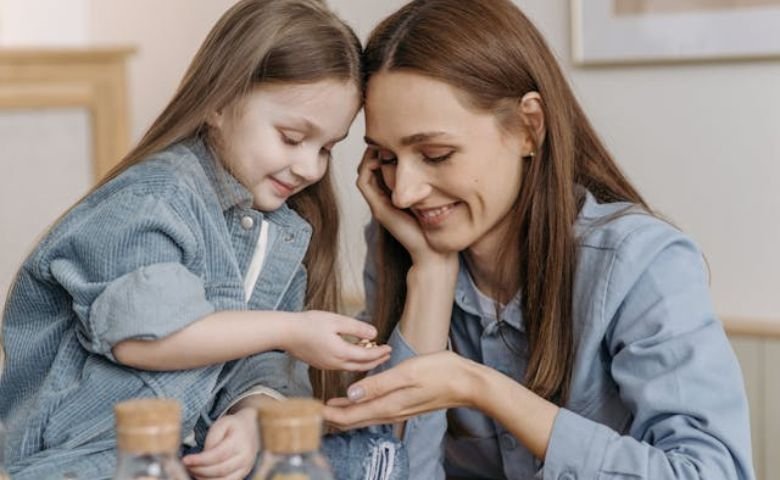
Discover the difference between Gentle Parenting vs Permissive Parenting, simplified for parents to understand and apply easily.
Guardian. Wow what a ride, correct? One day you read about it “the best ways lift up emotionally intelligent children,” and then you ask if you have permission your kid throw a tantrum is a tiny rebellion or a huge parenting fail. Trust me, I’ve went there. And another place the way, I stumbled across two terms which sounds exactly the same first: gentle parenting vs. Permissive parenting.
I remember my first encounter with them. I scrolled through a parenting forum at 2 a.m., sleep-deprived and clutching lukewarm coffee, when someone wrote: “Gentle parenting is just permissive parenting with a fancy name.” My heart sank a little. Could this be true? I had been trying to follow gentle parenting principles for months. I wondered if, in the name of mindfulness and prioritizing our family’s Health & Mindfulness, I was just indulging my child too much under the guise of “gentleness.”
That night, I decided to dig deeper. And today, I want to touch you that journey with me… In case you’re wondering gentle parenting vs permissive parenting, you are not alone, and the distinctions they are more subtle than you might imagine.
What is Gentle Parenting?
Let’s begin the good stuff. Gentle upbringing is not appropriate a buzzword. That’s it a philosophy contained in attachment theory and developmental psychology. Think of it this way a mix of empathy, guidance and respect. It’s about understanding your child’s emotions and instead of reacting in frustration, react thoughtfully. Societal pressure.
Main Principles of Gentle Parenting
- Respect and sympathy: Your child’s feelings are valid, even when their behavior is challenging.
- Emotional attunement: you notice their cues and respond accordingly. For example if your toddler crying because a toy blak, you admit it their frustration instead of saying, “Stop crying, it’s now! a toy.”
- Consistent boundaries: yes, rules exist… But they are explained calmly and consistently. Children fear does not lead to punishment; they directed to understand the consequences of his work.
Personal Anecdote
I remember the first time I implemented a gentle parenting strategy during my son’s meltdown in a grocery store. He would candy, obviously. I could have yelled at him or bribed him to stop. Instead I got down on my knees eye contact, and said, “I see you’re upset because you want this candy. Candy right? an option today, but you can choose which fruit you want instead.”
The result? He almost cried 30 seconds, stepped on his little foot once, and then selected an apple with a pout… But no tears, no screams. And me? I went out feeling like a small parenting hero.
Benefits of Gentle Parenting
- Secure attachment: children learn they can be trusted parents to understanding and guidance.
- Emotional intelligence: children learn to recognize, express and regulate emotions effectively.
- Self-regulation: they made internal control, instead of just behaving when adults are watching.
It’s like teaching someone to fish instead of giving them fish… They learn a skill for life.
What is Permissive Parenting?
But now the other side of the coin: permissive parenting. On paper it sounds similar… Emphasized freedom and minimal conflict. But here it is the catch: lack of permissive parents the intentional structure he gentle parenting gives.
Main Principles
Freedom without consistent boundaries: children can make most decisions, even if they are too small to handle the consequences.
- Avoid conflicts: Parents often throws tantrums or asks to keep the peace.
- Minimum discipline: Rules exists, but they rarely implemented.
Personal Observation
I’ve set permissive parenting in action at birthday parties or playgrounds. One kid refused to share a toy. Parents, trying to keep things “fun” and avoid tears, just go the child take and say “It’s ok you can have it this time.”
During this time, the other children learns that crying and insisting get results. It is there permissive parenting it may inadvertently have the opposite effect.
Potential Benefits
- Encouraging independence and creativity.
- Children feel free to explore personal choices.
Danger
- Poor self-discipline and frustration tolerance.
- Difficulty next rules or respect authority.
- Increased entitlement or limit testing I social settings.
So, while permissive parenting can work appealing… After all, those who don’t want to a happy child?… It there are hidden disadvantages.
Gentle Parenting versus Permissive Parenting: main difference
Let’s go this crystal clear. Think of it this way two paths iN a forest. Both are moving forward, though one have magicians as guides the way.
| Aspect | Gentle Parenting | Permissive Parenting |
| Philosophy | Empathy + guidance | Freedom without structure |
| Discipline | Positive reinforcement, natural consequences | Rarely enforced |
| Parent Role | Nurturer + guide | Friend or minimal authority |
| Child Outcomes | Emotionally intelligent, self-regulated | Independent but may struggle with boundaries |
| Conflict Handling | Calm, explanatory | Avoided or inconsistent |
Unique Insight: light parenting is freedom within limits. Permissive parenting is freedom without borders. That distinction do everything the difference.
Misconceptions About Gentle and Permissive Parenting
Here’s that which rises many parents, including me:
- Gentle parenting what is not permissive parenting.
Just because you’re empathetic doesn’t mean you’re distant all limits. Think of it as structured kindness.
- Permissive parenting not inherently “bad”.
A bit of freedom is good! Creativity and independence flourish under certain conditions. The problem arises when structure is completely missing.
- Hybrid mistakes happen.
Many parents accidental mixing two: be careful but inconsistent, which can be confusing children.
Emotional and Developmental Impacts
Gentle Parenting
- Children grew up with gentle parenting it’s a habit:
- Absorb the rules and understand the consequences.
- Manage emotions effectively.
Develop secure attachment and resilience.
I’ve I saw my own son that he will sometimes remind himself to “wait” a minute” when he is disappointed, a skill I never taught explicitly, but they learned by watching calm guidance.
Permissive Parenting
Children grew up with permissive parenting may:
- Enjoy autonomy but struggle with self-regulation.
- Face challenges in a structured environment such as school.
- Show creativity, but can lower frustration tolerance.
Analogy: Gentle parenting as training wheels a guide… Your child learn to balance safely. Permissive parenting gives the bike without training wheels or guidance… Sometimes it works, sometimes they crash.
Cultural and Societal Context
Parenting does not happen in a vacuum. Cultural values and societal expectations how to impress parents implement these styles.
- Gentle parenting it is widely advocated in Western attachment-based psychology.
- Permissive tendencies is seen in cultures prioritizing child autonomy or where parents avoid conflict due to social pressures.
Inside too the same family, pressure from relatives or school can influence a parent from gentle parenting too indulgent choices… Especially when you’re tired or stressed. I’ve there were mornings where, frankly, my son skip brushing his teeth felt like the path of least resistance.
Practical Tips to Parents
Here’s the part I wish someone had given me in a neon-colored binder:
Gentle Parenting Tips
- Hear first, respond second. Even a 5-year-old can be understood.
- Provide options within limits. It provides autonomy but maintains structure.
- Explain why. Kids they are not mini-adults, but they can understand logic when explained simply.
Consistency is the key. Calm, repeated guidance sometimes discipline works better.
Avoid Unintentional Permissiveness
- When to recognize your empathy tips for enjoyment.
- Introduce small limits gradually.
- Appreciation self-regulation and patience, not just compliance.
My Personal Journey
I’ll be honest: I struggled. IN the early days, I was wrong gentle parenting for permission. My son became throwing fits, and my heart shouted, “Just let him have it!” But over time, through trial, error and a lot of coffee-fueled study, I figured it out the magic of intentional boundaries.
Now, when he tests limits, I try to stop, breathe, and respond thoughtfully. Sometimes it works, sometimes it still throws up a dramatic fit… But the difference is noticeable. That’s it less fear, greater understanding, and finally, more cooperation.
When to do it Choose Which Style
- Consider your child’s temperament. Some? children more guidance is needed; others flourish freedom.
- Reflect on family values. Paddle consistency and structure important?
- See long-term goals. Emotional intelligence, self-regulation, and resilience matter far beyond tantrums today.
Gentle parenting is flexible… It adapts the child while maintaining the structure. Permissive parenting can fit well independent children but need careful monitoring.
Key Takings
- Understanding gentle parenting vs permissive parenting allows parents combining compassion with structure, ensuring children be emotionally intelligent, resilient and confident.
- Parenting messy, beautiful and unexpected.
- But slowly, intentional guidance, we can help our children grow into confident, empathetic and resilient people. And honestly? It’s worth every anger, sleepless night, and shed cup of juice.
Additional Resources
- Types of Parenting Styles and Effects on Children: Comprehensive overview of different parenting styles, including permissive and authoritative, and their effects on child development.
- Gentle Parenting Doesn’t Mean Permissive Parenting: Psychology Today article that clearly distinguishes gentle parenting from permissive parenting in simple, practical terms.