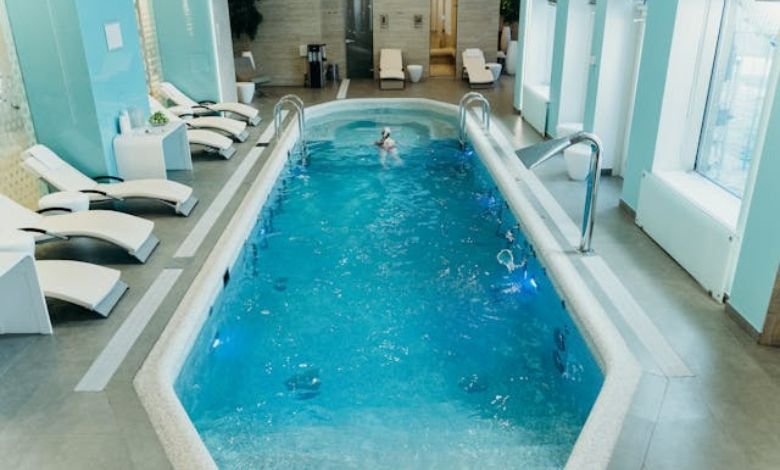
Learn about White Water Mold in Pool: causes, solutions, and prevention with a personal guide to remove it effectively.
Have you ever jumped into your pool… only to notice white water mold in pool floating around like shredded tissue paper? I remember the first time I saw it in my own backyard…it was unnerving and honestly a little gross. But after a lot of trial and error (and yes… some elbow grease)… I learned exactly how to tackle it and keep it from coming back.
In this post, I’ll take you through my personal experience with white water mold in pool, share lessons in Personal Growth & Lifestyle, explain why it appears, and give a step-by-step guide to remove and prevent it.
What is White Water Mold in Pool?
“White water mold in pool” is a term used to describe a whitish… slimy… fibrous substance that floats on the surface or clings to pool walls. At first glance… it might look like foam or debris… but it’s actually a type of fungal/organic growth.
Unlike typical green or black algae… white water mold thrives in stagnant areas and can survive despite normal chlorine levels. It’s more resistant and often signals underlying issues with pool maintenance or circulation.
Why White Water Mold Appears
Understanding why white water mold in pool appears is key to preventing it. From my own experience… I noticed it usually appears when:
- Poor Circulation – Water that isn’t moving effectively can create “dead zones” where mold spores settle.
- Sanitizer Depletion – High organic load like leaves… body oils… and sunscreen can consume chlorine… giving mold a foothold.
- Chemical Imbalance – pH and alkalinity levels outside the ideal range reduce sanitizer effectiveness.
- Low UV Exposure – Indoor or heavily shaded pools are more prone to mold because sunlight naturally kills spores.
- Contaminated Equipment – Toys… ladders… hoses… or skimmer baskets can reintroduce spores if not cleaned.
From my own story… a neglected ladder corner and an underperforming filter turned a minor issue into a major cleanup project. It’s frustrating… but entirely solvable once you understand the root causes.
My Personal Journey with White Water Mold in Pool
When I first saw the mold floating near the deep end… I brushed it off… literally. But within days… the white clumps kept returning. After inspecting the filter… skimmer… and pump… I realised the problem wasn’t just cosmetic…it had embedded itself in the plumbing and filtration system.
I had to:
- Deep clean the filter
- Run the pump continuously for days
- Super-shock the pool with high-dose chlorine
- Scrub every wall… ladder… and corner
- Vacuum manually to remove debris
It was exhausting… but seeing the water clear up and knowing it wouldn’t come back made the effort worth it.
Step-by-Step Guide to Remove White Water Mold
Here’s how to tackle white water mold in pool effectively:
1. Inspect and Clean Filters
Check sand… DE… or cartridge filters for trapped mold. Backwash… replace media if needed… and clean all hoses and pump baskets.
2. Test and Balance Water Chemistry
- pH: 7.4–7.6
- Free chlorine: normal range (adjust for shock treatment)
- Alkalinity: 60–120 ppm
Proper balance ensures your shock treatment is effective.
3. Super-Shock the Pool
Regular shock isn’t enough. Use 3–4 times the normal dose of chlorine. Run the pump continuously to circulate chemicals.
4. Brush and Scrub
Scrub walls… floors… steps… ladders… and skimmer returns. Mold hides in corners and dead zones… so thorough brushing is essential.
5. Vacuum to Waste
Manually vacuum the pool to remove dead mold particles. This prevents them from recirculating.
6. Re-clean Filter
After cleaning… filter again to capture lingering mold spores.
7. Monitor for Recurrence
Check daily for floating bits and unusual cloudiness. Early detection prevents large-scale recurrence.
Prevention Tips
Preventing white water mold in pool is all about consistent maintenance:
- Skim the surface daily and empty skimmer baskets.
- Brush pool walls and floor weekly.
- Run the pump for sufficient hours (8–12 hours minimum).
- Inspect toys… ladders… and equipment regularly.
- Use sunlight or UV exposure if possible to inhibit growth.
- Maintain chemical balance consistently to ensure sanitizer effectiveness.
From personal experience… sticking to this routine drastically reduces the chance of mold returning.
Common Questions
Is white water mold dangerous?
Usually… it’s not severely harmful but can reduce water quality and clog equipment.
Why does it come back after cleaning?
Incomplete cleaning of filters… plumbing… or equipment often allows spores to survive and recolonize.
Can non-chlorine pools get it?
Yes… biguanide or alternative sanitizer systems are still susceptible. They need an oxidizer or specialized treatment to fully remove mold.
Key Takings
- Dealing with white water mold in pool is frustrating… but with the right knowledge and routine… it’s entirely manageable.
- From my journey… I learned that thorough cleaning… proper chemical balance… and consistent maintenance are the keys to keeping your pool safe and crystal clear.
- Remember… don’t ignore those first signs…early intervention saves hours of labor and stress later.
- And once your pool is clean… a small routine will keep it that way for years to come.
Additional Resources
- White Mold in the Pool: A comprehensive guide explaining how white water mold appears, treatment strategies for chlorinated and biguanide pools, and tips to prevent recurrence.
- JC Leisure Solutions: Understand the potential risks of white water mould and why its presence signals underlying sanitation and filtration issues in your pool.