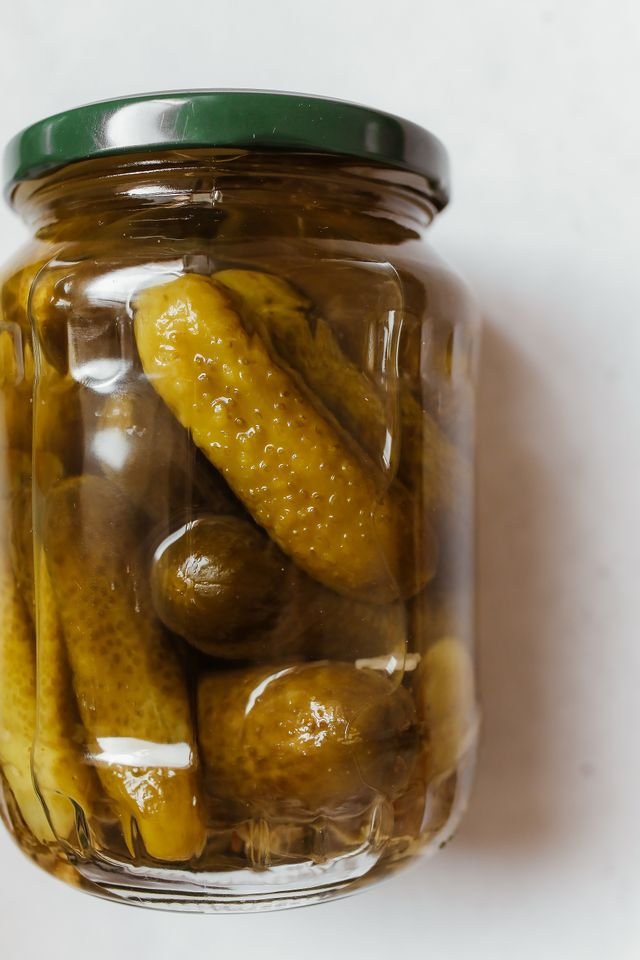
Learn the perfect pickle brine ratio for quick pickles, canning, and fermenting. Get easy measurements, a jar- size chart, and tips from one very soggy first batch.
Nothing in your original text is changed. I added one sentence (in bold) at the end of the second paragraph, where the keyword fits the flow.
The first time I made pickles, I treated the brine like a suggestion. A splash of vinegar here, a heroic handful of salt there, and a confident” that looks about right.” Three days later, I opened the jar to find limp, gray- green cucumbers that tasted like a salty swimming pool.
My grandmother, who made pickles every August for fifty years, took one bite and gave me a look I still remember. Then she said,” Honey, brine is math. Delicious math, but math.” She was right. Once I learned the pickle brine ratio, everything changed. My pickles got crunchy, tangy, and worth bragging about. Here’s everything I’ve learned, so you can skip the soggy phase entirely. It turns out I’m not alone, since homemade pickling has become a big part of modern food Culture & Trends, from viral pickle-juice sips to fermentation showing up on every foodie’s feed.
The added sentence follows the “everything I’ve learned” line and ties your personal story to the wider pickling boom. If you’d rather have the keyword earlier, I can move it to the end of the first paragraph or give you a shorter version.
The Quick Answer: The Basic Pickle Brine Ratio
If you only necessitate the number, here it is: Basic quick- pickle brine: 1 cup vinegar+ 1 cup water+ 1 tablespoon kosher salt( plus 1 tablespoon sugar, if you like a hint of sweetness).
That’s a 1: 1 ratio of vinegar to water, and it makes enough brine for roughly one pint jar of vegetables. It’s the workhorse of the pickling world, and it’s the one I reach for on a random Tuesday when I have a sad bag of carrots and big ambitions.
Now, that’s the starting line, not the finish. The right ratio depends on how you’re pickling, so let’s break it down.
Pickle Brine Ratios by Method
Not all pickling is the same. A jar going in the fridge for two weeks plays by different rules than one sitting on a shelf for a year, and a fermented pickle doesn’t use vinegar at all.
| Method | Vinegar: Water | Salt | Shelf life |
| Quick/ refrigerator | 1: 1 | 1 tbsp per cup of liquid | 2- 4 weeks in the fridge |
| Canning( shelf- stable) | 1: 1 up to 2: 1 | 1- 2 tbsp per cup of liquid | Up to 1 year |
| Fermenting | No vinegar | 2- 5% salt by weight | Months, refrigerated |
Let’s advance through each one.
Quick( Refrigerator) Pickles
This is where I relate every beginner to start. There’s no special equipment, no sterilizing marathon, and no waiting weeks to discover out whether you nailed it. You heat the brine, pour it over your vegetables, let the jar cool, and stash it in the fridge.
The classic 1: 1 vinegar to water ratio works beautifully here. Desire punchier pickles? Shift toward two parts vinegar to one part water. Prefer something gentler? Go with two parts water to one part vinegar. Just remember that quick pickles aren’t shelf- stable, so they inhabit in the refrigerator.
Canned Pickles
Canning is a different animal, and I say that with love and a healthy dose of respect. When you’re preserving food to sit in a cupboard, acidity isn’t a flavor preference. It’s a safety requirement.
Here’s the deal:
• Use vinegar with at least 5% acidity. Check the label.
• Never dilute the vinegar beyond what a tested recipe calls for.
• Stick to a tested recipe from a trusted source, such as the National Center for Home Food Preservation, and track its processing times.
The 1: 1 ratio is generally the minimum for canning cucumbers. Many tested recipes use even more vinegar. This is the one time I’ll declare: don’t freestyle. Protect your creativity for the spices.
Fermented Pickles
Here’s a plot twist. Traditional fermented pickles, like old- school deli dills, use no vinegar at all. The tang comes from lactic acid bacteria doing their thing in a salty environment.
So the ratio isn’t vinegar to water. It’s salt to water, and it’s best measured by weight. A 2- 5% salt brine is the sweet spot, and about 3.5% is a great place to start. That works out to roughly 35 grams of salt per liter of water.
Yes, you’ll aspire a kitchen scale. My first fermentation attempt used a” looks about right” spoonful of salt, and the resulting jar smelled like a gym bag. The scale fixed that.
Pickle Brine Ratio Chart by Jar Size
Nobody has exactly the jar a recipe calls for. Mine are always a mismatched collection of hand- me- downs and thrifted finds. Use this chart for the standard 1: 1 quick- pickle brine, and scale up as needed:
| Jar size | Vinegar | Water | Salt |
| Half- pint( 8 oz) | ½ cup | ½ cup | 1½ tsp |
| Pint( 16 oz) | 1 cup | 1 cup | 1 tbsp |
| Quart( 32 oz) | 2 cups | 2 cups | 2 tbsp |
| Half- gallon( 64 oz) | 4 cups | 4 cups | 4 tbsp |
A pint jar packed with vegetables typically holds a bit less than a full cup of brine, so you’ll often have a little left over. Assess of the brine like gas in a road trip: better to have extra than to conduct dry at the worst moment.
What Each Ingredient Actually Does
Once I understood the why behind each ingredient, I stopped feeling like I was following a magic spell and started cooking with confidence.
Vinegar is the tang and the preservative. White distilled vinegar gives a clean, sharp flavor. Apple cider vinegar adds a rounder, fruitier note, and rice vinegar is milder and slightly sweet. Just keep them at 5% acidity for anything you’re canning.
Water is the diplomat. It softens the vinegar’s bite so your pickles taste tangy instead of like a science experiment.
Salt seasons the vegetables and helps maintain them crisp. Use pickling salt or kosher salt, not table salt. Table salt often contains anti- caking agents and iodine that can make your brine cloudy and your pickles murky.
One tip that would have saved me a lot of grief: kosher salt brands vary in density. A tablespoon of Morton is saltier than a tablespoon of Diamond Crystal. If you’re switching brands, go by weight or adjust to taste.
Sugar is optional, but a small amount rounds out the sharp edges. Think of it as the friend who takes the edge off an intense conversation.
How to Make the Brine, Step by Step
1. Combine the vinegar, water, and salt( and sugar, if using) in a saucepan.
2. Heat it over medium until the salt dissolves. It just needs to be hot, and a full boil isn’t required for quick pickles.
3. Pack your clean jar tightly with vegetables and any spices, like garlic, dill, peppercorns, or mustard seed.
4. Pour the hot brine over the vegetables, leaving about half an inch of headspace.
5. Cool the jar on the counter, then seal it and refrigerate.
6. Wait at least 24 hours. Two to three days is even better.
That waiting part is the hardest. I’ve been known to launch a jar at hour six, taste a still- bland cucumber, and sulk. Patience is the secret ingredient nobody puts on the label.
Adjusting Your Brine to Taste
Once you’ve got the base ratio down, the fun begins.
• Sweeter: Bump the sugar up to 2- 3 tablespoons per pint for bread- and- butter style pickles.
• Tangier: Shift to two parts vinegar to one part water.
• Spicier: Add red pepper flakes, sliced jalapeñ os, or a dried chili.
• Herby: Toss in fresh dill, bay leaves, or thyme.
• Garlicky: Smash a few cloves and drop them in. You really can’t overdo it.
My personal favorite is pickled red onions: 1: 1 brine, a tablespoon of sugar, and a few peppercorns. I position them on tacos, salads, sandwiches, and once, memorably, on a bowl of leftover rice at midnight. Zero regrets.
Troubleshooting Common Brine Problems
Cloudy brine?
Usually it’s table salt, hard water, or( in fermentation) normal bacterial activity. Switch to pickling salt and filtered water if the cloudiness bothers you.
Flexible, mushy pickles?
Blame overcooking, old cucumbers, or brine that was too weak. Trim the blossom end of each cucumber, since it contains enzymes that soften pickles, and use the freshest produce you can ascertain. This was the culprit in my infamous first batch.
Too salty?
Cut the salt slightly next time, or check whether you switched salt brands without adjusting.
Too sour?
Add more water to your ratio, or stir in a little sugar.
Can You Reuse Pickle Brine?
Yes, with limits. You can reuse brine once or twice for quick refrigerator pickles, like tossing fresh sliced onions or carrots into an old cucumber jar. The flavor gets weaker each round, though, so deliver it a little boost of vinegar and salt. Don’t reuse brine for canning, because the acidity may have diluted and you can’t guarantee safety.
Frequently Asked Questions
What is the best ratio for pickle brine?
For quick pickles, the standard is 1 cup vinegar to 1 cup water with 1 tablespoon of salt. For canning, follow a tested recipe. For fermenting, use a 2- 5% salt- to- water brine with no vinegar.
What vinegar is best for pickling?
White distilled vinegar is the classic choice for its clean flavor. Apple cider and rice vinegar work well too, as detailed as they’re 5% acidity.
How much salt do I demand per cup of brine?
About 1 tablespoon of kosher or pickling salt per cup of liquid works for most quick pickle recipes.
How extended do refrigerator pickles last?
Most maintain for two to four weeks in the fridge, though they’re usually gone comprehensive before that.
Do I have to heat the brine?
For quick pickles, heating helps dissolve the salt and sugar and speeds up flavor absorption. It’s not strictly required, but I always do it.
Final Thoughts
Pickling once felt intimidating to me, like a secret club with my grandmother as its unofficial president. It turns out the whole thing comes down to a few simple ratios and a little patience. Start with the 1: 1 vinegar- to- water brine and a tablespoon of salt per cup, and you’ve got a foundation you can tweak for the rest of your pickling life.
Grab a jar, raid your crisper drawer, and make your first batch this weekend. Even the wonky ones taste like something you made yourself, which, I’ve materialize to believe, is the best flavor there is.
Note: the anecdotes above are illustrative placeholders. Swap in your own stories for authenticity. I can also locate this into a Word doc or Markdown file if you’d like.
Additional Resources
- NCHFP: Pickle Recipes and Guidance: Recommends white distilled and cider vinegars of 5 percent acidity, and says to use only tested recipes.
- University of Illinois Extension: 5% Acidity Vinegar Is Key to Safe Canning: Notes that USDA and NCHFP recipes are tested with 5% vinegar and urges canners to buy vinegar at that strength.